
Last updated November 23, 2026
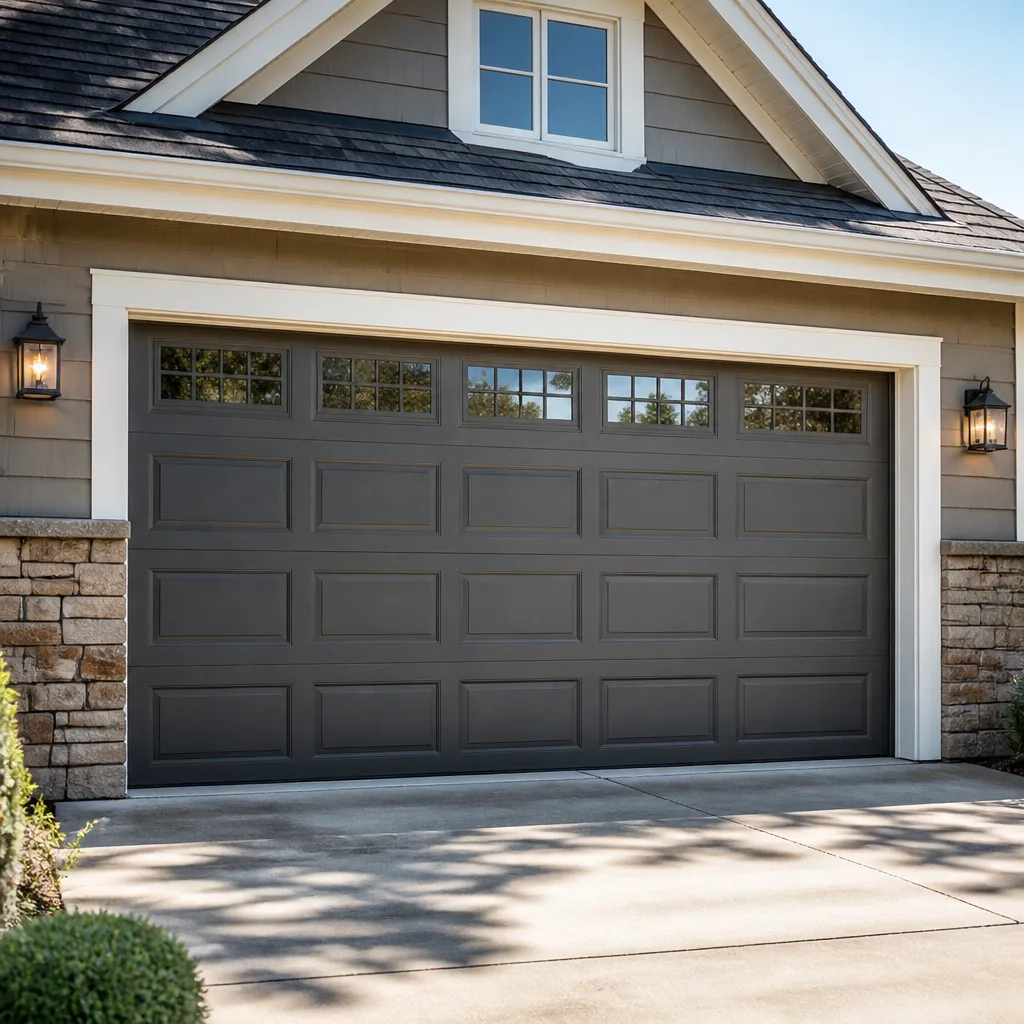 Raised-panel steel
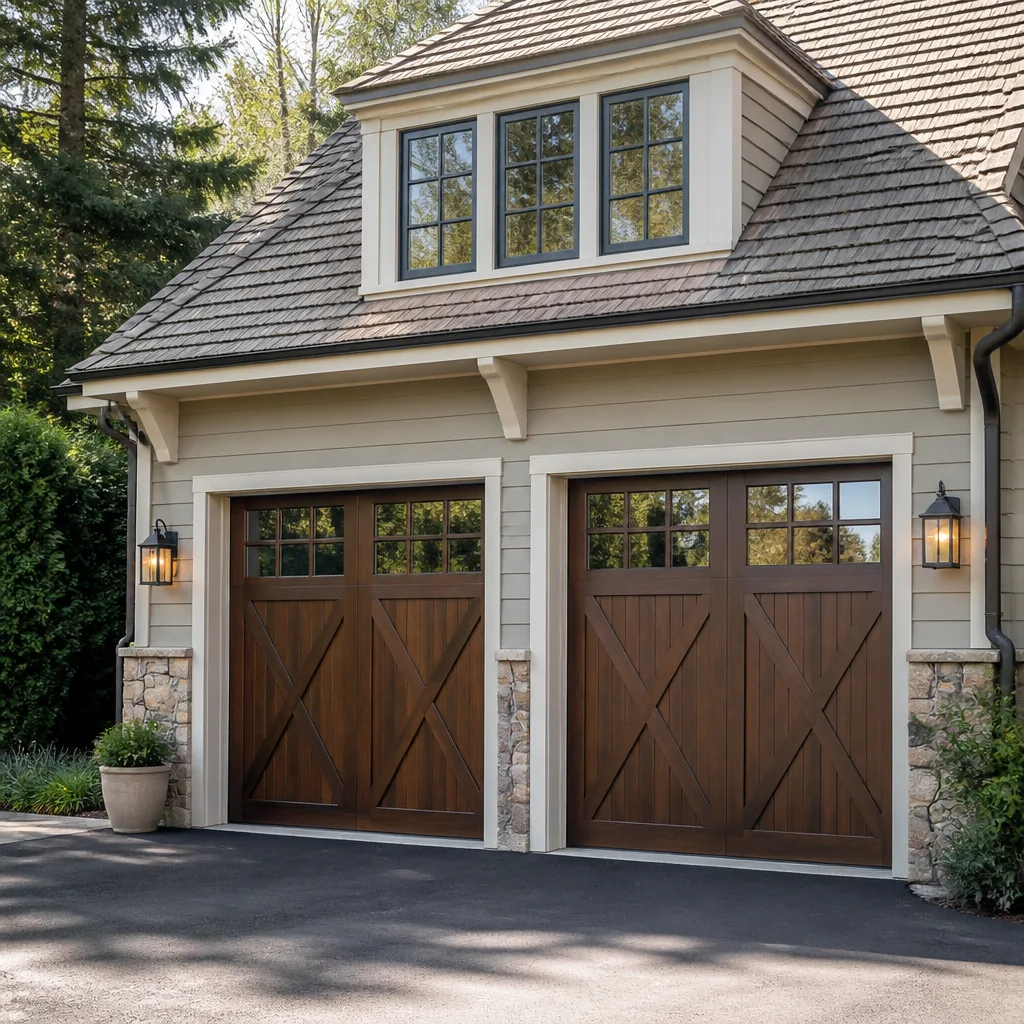 Carriage house
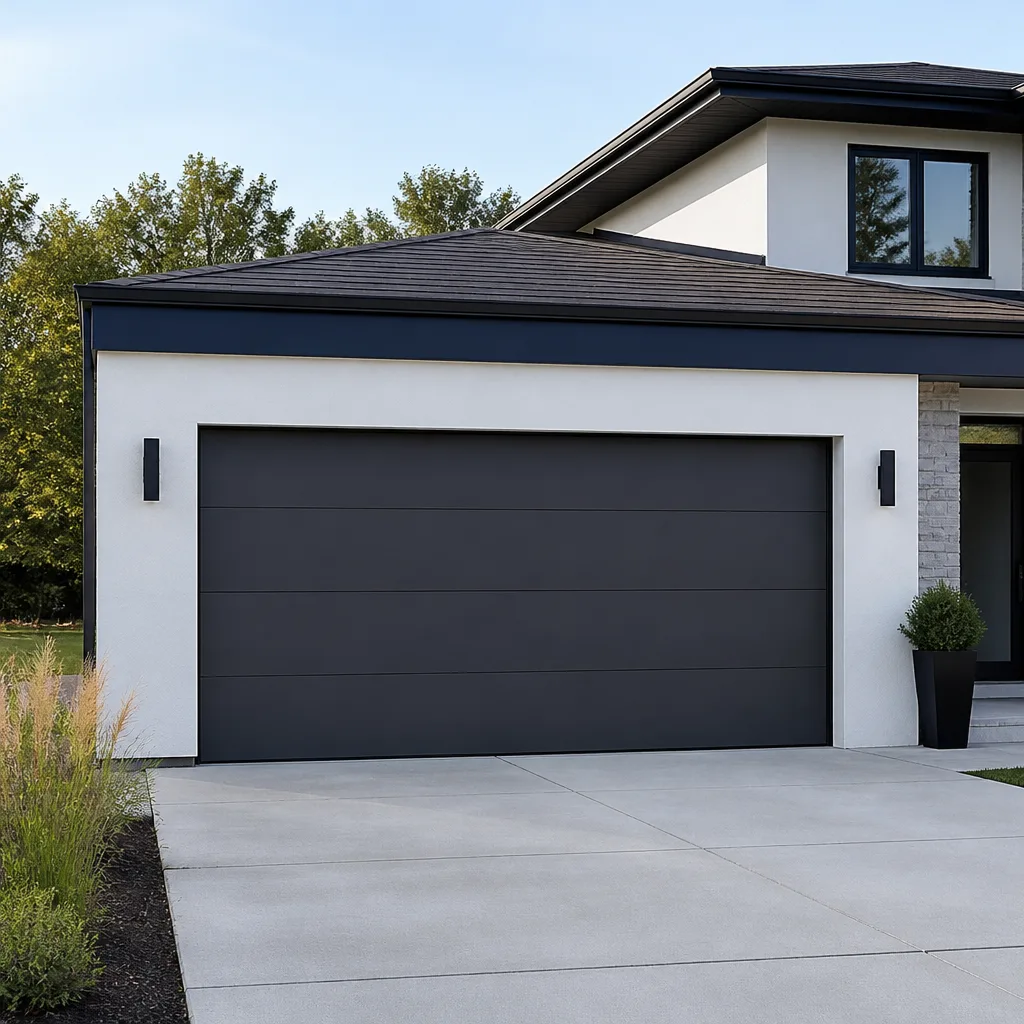 Modern flush
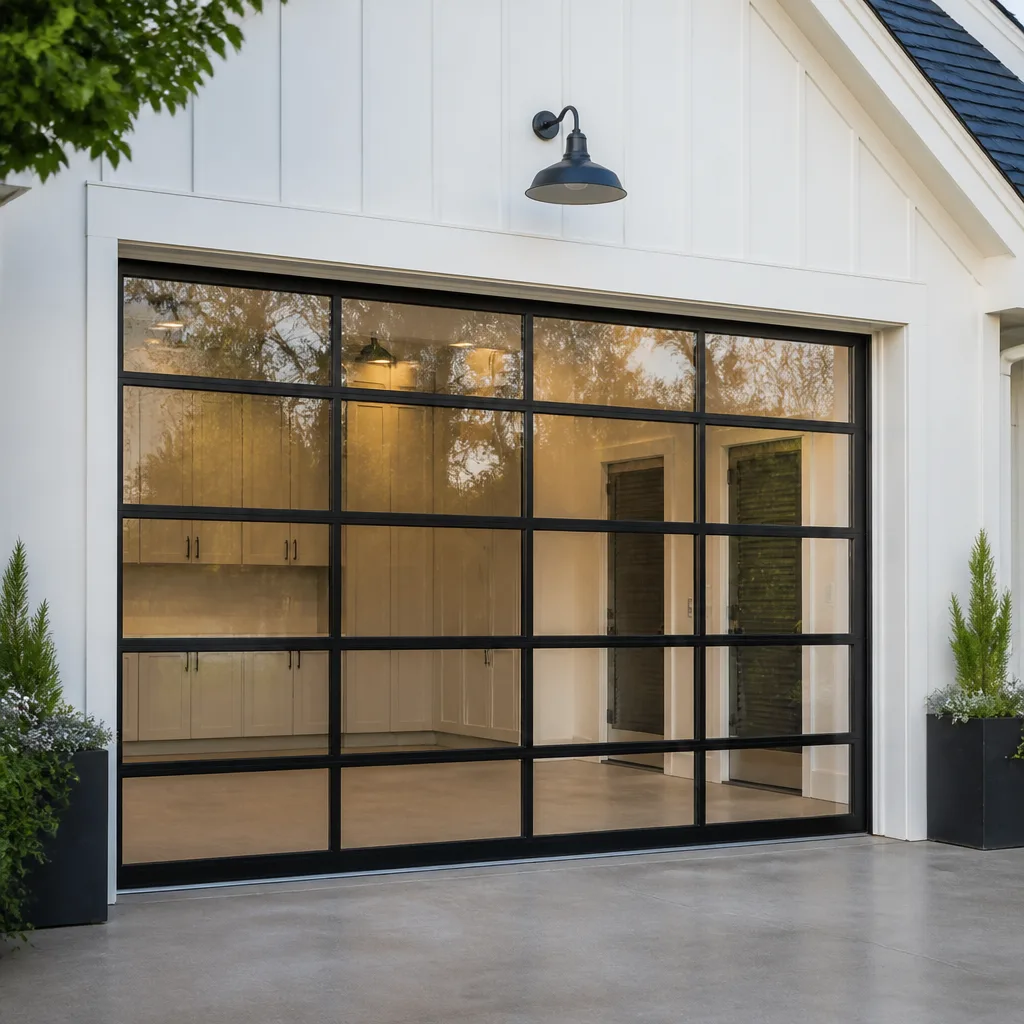 Full-view glass
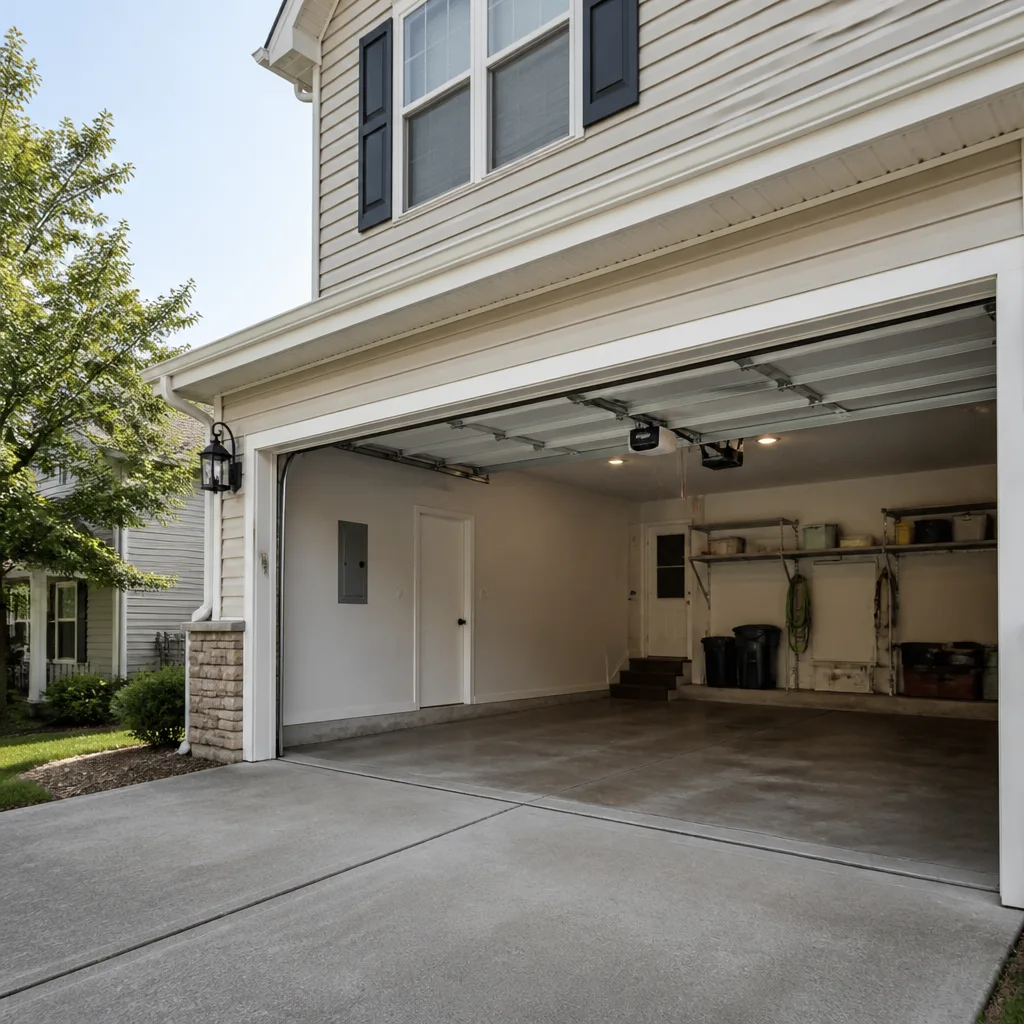 LiftMaster openers
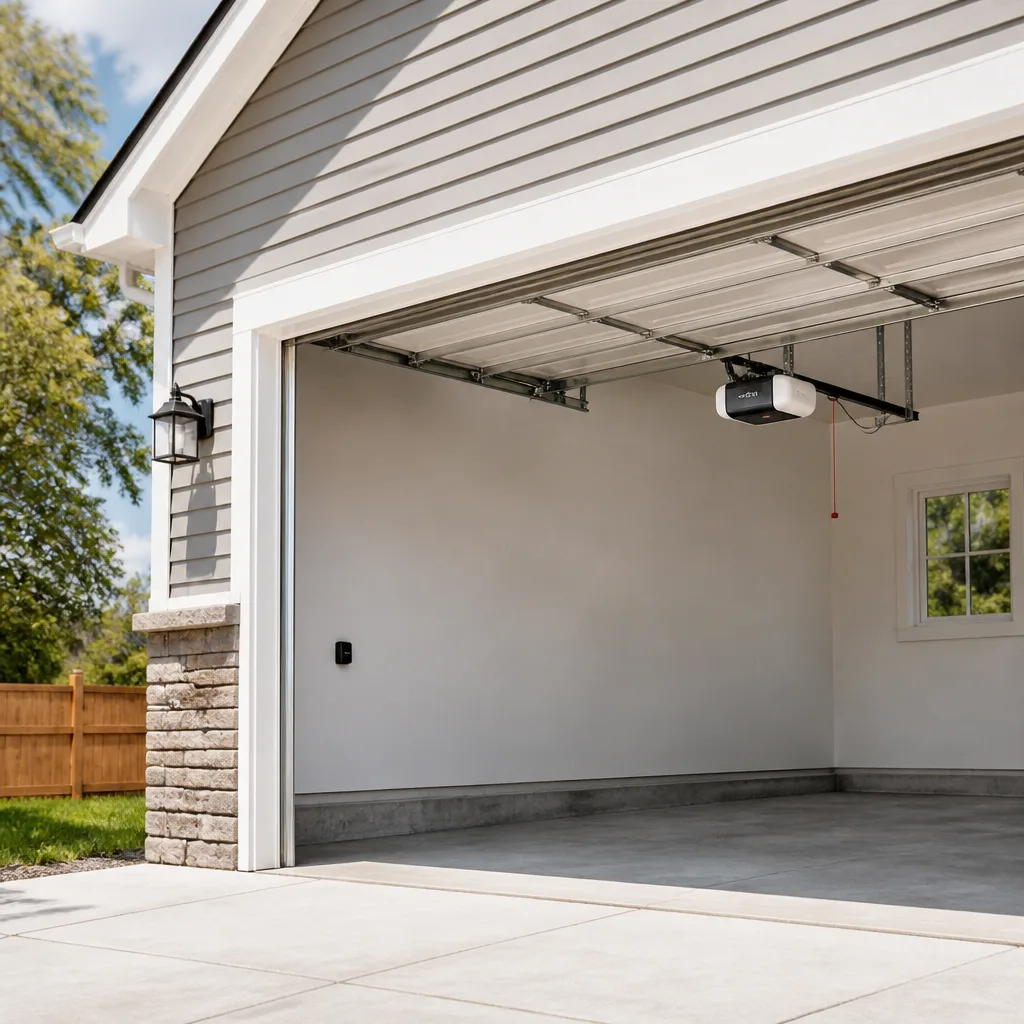 Chamberlain openers
Full 25-point door and opener safety check with every visit - springs, cables, rollers, tracks, and your LiftMaster or Chamberlain opener included
You get a price before we start. It does not change when the pro arrives.
Get your free estimateGarage Door Repair Maintenance Checklist for Palm Harbor Homeowners
The most neglected garage door maintenance task around here isn’t lubrication. It’s washing. Every national checklist tells you to grease the rollers and call it a day, and that advice was written for a house in Ohio, not a house in Palm Harbor. Our summers run long and humid, the sun hits a west-facing door hard from mid-afternoon, and the air carries fine particles that settle on bare steel. That combination wears out specific components in a specific order. Most homeowners spend their Saturday oiling a chain that was never the problem while a hinge pin quietly rusts solid. This guide ranks every task by what actually fails first in Palm Harbor, tells you which product types hold up in humidity, and shows you how to spot a spring that’s close to letting go before it does.
Quick Answer
A garage door in Palm Harbor needs three things most checklists skip: a monthly freshwater rinse of all metal hardware to remove airborne grit before it oxidizes, a quarterly lubrication pass with a silicone- or lithium-based product that won’t trap sand, and a visual spring and cable inspection every season. The full monthly routine takes about ten minutes; the quarterly and annual deep checks add under an hour combined. Anything involving spring tension, cables under load, or a door that’s come off its track belongs to a trained technician, not a weekend project.
Styles & brands we work with
- Raised-panel steel
- Carriage house
- Modern flush
- Full-view glass
- LiftMaster openers
- Chamberlain openers
Table of Contents
- Why Palm Harbor Doors Wear Differently
- The Monthly Routine (10 Minutes)
- The Quarterly Deep Check (30 Minutes)
- Lubrication Points Ranked by Failure Frequency
- How to Test Spring Health Without Touching Tension
- Seasonal Timing: Before and After Summer
- Opener and Safety Sensor Checks
- The Annual Professional Inspection
Why Palm Harbor Doors Wear Differently
The maintenance schedule that works in a dry climate is the wrong schedule here. Palm Harbor sits in a subtropical stretch of Pinellas County where relative humidity stays high for most of the year, and that changes which parts fail first. Bare steel doesn’t rust gradually in this air. It starts oxidizing where grit and moisture collect together, which means the top of a hinge barrel and the underside of a track lip, not the smooth surfaces a factory manual points to.
Ultraviolet light is the second factor. A south- or west-facing door in neighborhoods like Ozona or along the older streets near downtown Palm Harbor absorbs direct sun for hours every afternoon. That breaks down the flexible seal at the bottom of the door faster than most homeowners expect, and a cracked bottom seal lets in water, insects, and the fine sand that blows off nearby lots. Once grit gets into the track, it grinds against the rollers every single cycle.
The third factor is the daily cycle count. In a house where the garage is the main entry point, the door opens and closes far more often than in a home where it’s just car storage. That’s most of Palm Harbor. More cycles means springs, rollers, and opener gears wear on an accelerated clock. Add the fact that hurricane season runs June through November and puts real wind load against the door panel and track anchors, and the case for a local checklist rather than a generic one writes itself.
What that means for you: prioritize washing and visual inspection over heavy greasing, use products that resist humidity, and check the structural anchors before storm season, not after.
The Monthly Routine (10 Minutes)
This is the part most people skip, and it’s the part that prevents the most expensive repairs. Ten minutes once a month is enough to catch the early signals.
- Rinse all metal hardware with fresh water. A garden hose on a gentle spray, no soap needed most months. Work along the hinges, the roller stems, the track, and the spring assembly. This removes the airborne grit and film that starts oxidation on bare steel. Dry the hinge barrels with a rag if you want to go a step further.
- Look at the door from the inside while it’s closed. Are the panels aligned? Any gap at the bottom seal? Any daylight coming through where it shouldn’t?
- Run the door and listen. A door that’s working properly sounds consistent. Grinding, squealing, or a rhythmic thump means something’s wearing.
- Check the track by hand with the door open. Run your fingers (gently) along the inside edges. Any grit, any rough spot, any bend, note it.
- Press the safety sensors. Wave an object through the beam and confirm the door reverses. Every month, no exceptions.
- Test the manual release. With the door closed, pull the red handle and confirm the door disengages from the opener. Re-engage it by running the opener once.
Ten minutes, once a month. That’s the whole thing. If you do nothing else on this list, do the rinse and the sensor test. Those two prevent the most common failures we get called out for in Palm Harbor.
The Quarterly Deep Check (30 Minutes)
Every three months, add these tasks to the monthly routine. This is where you catch wear before it becomes a repair.
- Inspect every hinge pin. Open the door halfway so the hinges are under moderate load. Look at each pin. Rust streaks, white oxidation, or a pin that looks dry and gritty means it needs cleaning and a fresh application of lubricant. Don’t spray blindly. Wipe first.
- Check the roller bearings. Nylon rollers should spin freely with no wobble. Steel rollers should spin smoothly and show no flat spots. Grab each roller with two fingers and try to wiggle it. Any play means the bearing is worn.
- Look at the bottom seal. Run your hand along the rubber flap at the base of the door. Any crack, any missing chunk, any spot where it’s pulled away from the aluminum retainer needs replacement. A failed bottom seal in this climate is one of the fastest routes to water intrusion and insect problems.
- Check the cables for fraying. Look at the cable running up the side of the door. Any broken strands, kinks, or rust means it needs professional replacement. Do not touch a cable that’s under tension.
- Inspect the spring for rust. Look at the coiled spring above the door (torsion) or along the sides (extension). Surface rust on the coil is the earliest warning sign. We’ll go deeper on this in the spring section below.
- Check the track anchors. Look at where the track bolts to the wall and ceiling. Any loose bracket, any wobble, any rust around the bolt heads needs attention. These anchors carry the wind load during a storm.
Thirty minutes, four times a year. It’s the difference between a $200 repair and a $500 repair in most cases.
If a quarterly check turns up something beyond cleaning and lubricating, that’s the point where a call makes sense. Our garage door repair service covers everything from roller replacement to full track realignment, and we diagnose the door and the opener together rather than making you book two visits.
Lubrication Points Ranked by Failure Frequency
Here’s where generic advice gets people into trouble. The instruction “use a lubricant” tells you nothing. In a humid climate, the wrong lubricant becomes a grit magnet, and grit does more damage than dryness. The product type matters as much as the location.
Use a silicone-based spray or a white lithium grease. Avoid heavy motor oil, avoid WD-40 as a primary lubricant (it’s a solvent, not a lasting lubricant), and avoid anything that stays wet and tacky. Those attract and hold the fine grit that’s in the air here, and that grit becomes an abrasive paste inside moving parts.
Ranked by what fails first in Palm Harbor:
- Hinge pins and barrels. The single most common point of failure. Rust and grit collect in the barrel, the pin seizes, and the hinge either bends or tears the metal around it. Every quarter, wipe each pin clean, apply a small amount of white lithium grease to the pin, and work it in by opening and closing the door a few times.
- Roller stems and bearings. The stem is the shaft the roller rides on; the bearing is inside the roller. Both need a light silicone spray. Two or three short bursts per roller, then run the door. Don’t over-apply; excess attracts grit.
- The torsion spring coil. A light silicone spray along the coil reduces friction between the coils and helps slow surface oxidation. This is a corrosion-control measure, not a tension adjustment. Never attempt to adjust spring tension yourself.
- Track surfaces. A very light silicone spray along the inside of each vertical and horizontal track. Wipe off any excess. The track should be smooth to the touch, not wet.
- The opener rail and chain or belt. For a chain-drive opener, a small amount of white lithium grease on the chain. For a belt-drive, no lubrication is needed. The rail itself doesn’t need grease; it needs to be clean.
- The lock and handle (if you have a manual lock). Graphite or a dry lubricant. Never wet oil in a lock in a humid climate.
Six points, ranked by failure frequency, using the right product type at each. That list alone puts you ahead of what most homeowners are doing in Palm Harbor.
How to Test Spring Health Without Touching Tension
A torsion spring is a coil of steel under enough stored energy to do serious injury if it releases suddenly. We’re not going to give you a procedure for adjusting it, and no responsible guide should. What you can do safely is observe it. The visual cues below tell you whether a spring is healthy, aging, or close to the end of its life.
- Color of the coil. New springs are black or dark grey. A fine rust-colored surface film is normal aging. Flaking rust, pitting, or visible orange streaks along the coil mean it’s advanced.
- Gaps between coils. With the door closed, the coils should be evenly spaced. An uneven gap, a coil that looks stretched out of alignment, or a visibly separated section means the spring is losing tension and needs professional evaluation.
- Sound on operation. A sharp metallic clang or pop at any point in the cycle, especially at the start, is a warning. Normal springs make a smooth mechanical sound.
- Door balance test. With the door disconnected from the opener (pull the red manual release), lift the door by hand to waist height and let go. A properly balanced door stays where you put it. A door that drops, or that shoots up, means the spring is worn out of balance.
- Visible fracture. If you can see a gap in the coil where the wire has separated, the spring has already failed. Do not operate the door. Call for service.
Two more notes that matter in Palm Harbor specifically. First, springs wear on cycles, not on calendar time. A door used twenty times a day will wear out roughly four times faster than one used five times a day. Second, a torsion spring that’s within one season of snapping usually shows at least one of the cues above for a few weeks before it goes. If you check for those cues every quarter, you’ll catch it early far more often than not.
When a spring does fail, it fails completely. The door becomes unsafe to operate, the opener runs but nothing moves, and you’re stuck. That’s the moment to call. Our team handles torsion and extension spring work as a core service, not a referral, and our Palm Harbor Garage Door Repair Co team can assess the whole assembly rather than just the broken part.
Seasonal Timing: Before and After Summer
Palm Harbor has two maintenance seasons for a garage door, and they’re both built around the same fact: summer does the most wear. So the biggest checks happen before it starts and after it ends.
Before hurricane season (late April and May):
- Inspect all track anchors, brackets, and bolts with a wrench in hand. Tighten anything loose.
- Check the bottom seal and the perimeter weatherstripping. A failed seal lets water in and wind gets under the door during a storm.
- Test the manual release and confirm the door locks securely in the closed position.
- Check the door balance. A door that’s out of balance strains the opener and the anchors under wind load.
- Confirm the safety sensors are aligned and reversing correctly.
After summer (October and November):
- Do a full rinse-down of all hardware and dry it thoroughly. Summer humidity leaves the most film on bare metal.
- Inspect every hinge pin and roller bearing for the rust and grit that accumulate over the wet months.
- Inspect the spring closely. The summer heat cycle is when springs age fastest, so fall is when you want eyes on it.
- Check the bottom seal again. Summer UV is harsh on rubber, and a seal that was fine in May may be cracked by October.
- Run the door ten full cycles and listen. Any new noise that wasn’t there in spring is a signal.
Two weekends a year, four hours each at most. That schedule prevents more repairs than any other maintenance habit we can recommend to a homeowner in Palm Harbor.
Opener and Safety Sensor Checks
The door is only half the system. The opener carries its own maintenance load, and a lot of the “door problems” we look at in Palm Harbor turn out to be opener problems wearing out the door over time.
- Test the auto-reverse monthly. Place a roll of paper towels or a 2×4 flat on the ground in the door’s path and run the door down. It should reverse on contact. If it doesn’t, stop using the opener and get it checked.
- Test the safety sensors monthly. Wave your hand through the beam while the door is closing. It should reverse immediately. Wipe the sensor lenses with a dry cloth, because dust film builds up fast here.
- Check the belt or chain tension quarterly. It should have slight play, roughly half an inch. Too loose means slapping and wear. Too tight strains the opener.
- Listen to the motor quarterly. Grinding, rattling, or a motor that runs but doesn’t lift the door are early signs of gear or capacitor failure.
- Test the wall-mounted control and both remotes quarterly. If one works and another doesn’t, it’s usually a battery or a programming issue. If neither works, it’s the opener or a connection.
- Check the battery backup annually. If your opener has one, test it by pulling the emergency release on the opener (not the door) and running the door on battery power.
We service openers from Chamberlain, Genie, LiftMaster, and the other major brands installed in Palm Harbor homes. When something fails, our garage door opener repair service covers the control board, the drive system, the sensors, and the safety reverse, all in one visit. You don’t have to guess which of those it is before you call.
The Annual Professional Inspection
Some things you should check yourself. Some things need a trained set of eyes and a torque wrench. An annual professional inspection is the second category.
What an inspection covers that a homeowner check can’t reasonably do:
- Spring tension measurement and balance calibration.
- Cable inspection under controlled conditions (cables are under high tension and are dangerous to handle).
- Full track alignment and anchor torque check.
- Roller and hinge wear assessment with a trained eye for what’s still in spec vs. what’s about to fail.
- Opener gear, capacitor, and control board diagnostics.
- Door panel structural inspection, including the hardware behind the panel skins.
An annual inspection is also the right moment to talk about whether a door is a candidate for repair or for replacement. If a door is on its second set of springs, has visible panel damage, and the opener is over a decade old, the math can tilt toward new equipment. We don’t push replacement on a door that has life left, but we also aren’t going to sell you a fourth repair on a door that’s due for new. If it’s time, our garage door installation service handles Clopay, Amarr, and Wayne Dalton doors, and we measure and quote before anything is ordered.
Our technicians have up to 10 years of experience across eight major brands, so an inspection covers the whole system rather than just the door or just the opener.
Common Mistakes to Avoid
- Greasing everything and calling it maintenance. Excess lubricant traps grit in a humid climate and turns into an abrasive paste. Less is more, and the right product type matters more than the amount.
- Adjusting spring tension yourself. This is the single most dangerous thing a homeowner can attempt on a garage door. A torsion spring stores enough energy to break bones. If the door feels heavy or out of balance, call a professional.
- Ignoring the bottom seal. A failed bottom seal lets water, insects, and grit into the garage and stresses the door during storm season. It’s a cheap part that prevents expensive damage.
- Skipping the sensor test. The safety reverse is the one feature that protects children and pets. Test it every month. It takes ten seconds.
- Using WD-40 as a lubricant. It’s a solvent, not a lasting lubricant. It’ll make things quiet for a week and then leave the part drier than before.
- Skipping the pre-hurricane anchor check. Loose track anchors are the most common failure point we see after a storm in Palm Harbor. Tightening them in May is a two-minute task.
- Running the opener when the door is sticking. If the door is binding or off-track, the opener will force it and damage both the door and the opener. Stop and call.
See the difference
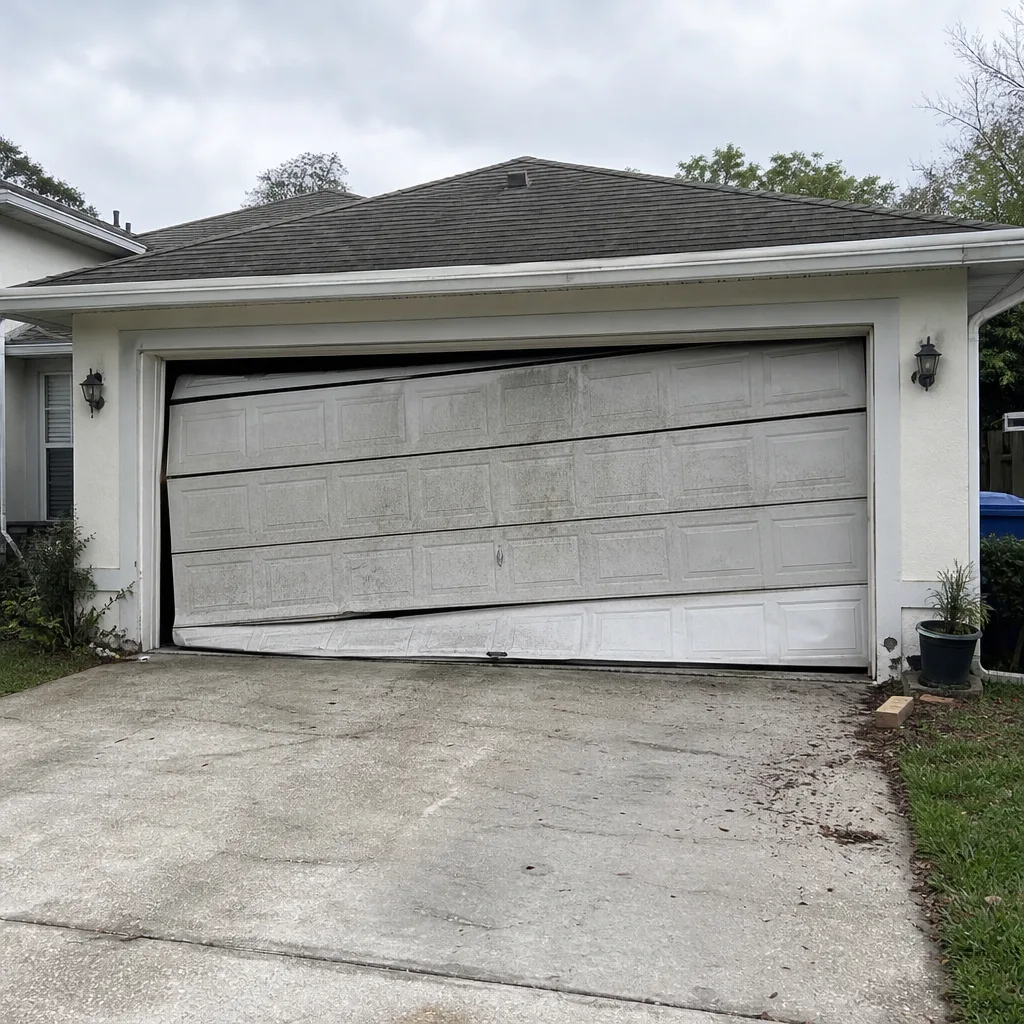 Before
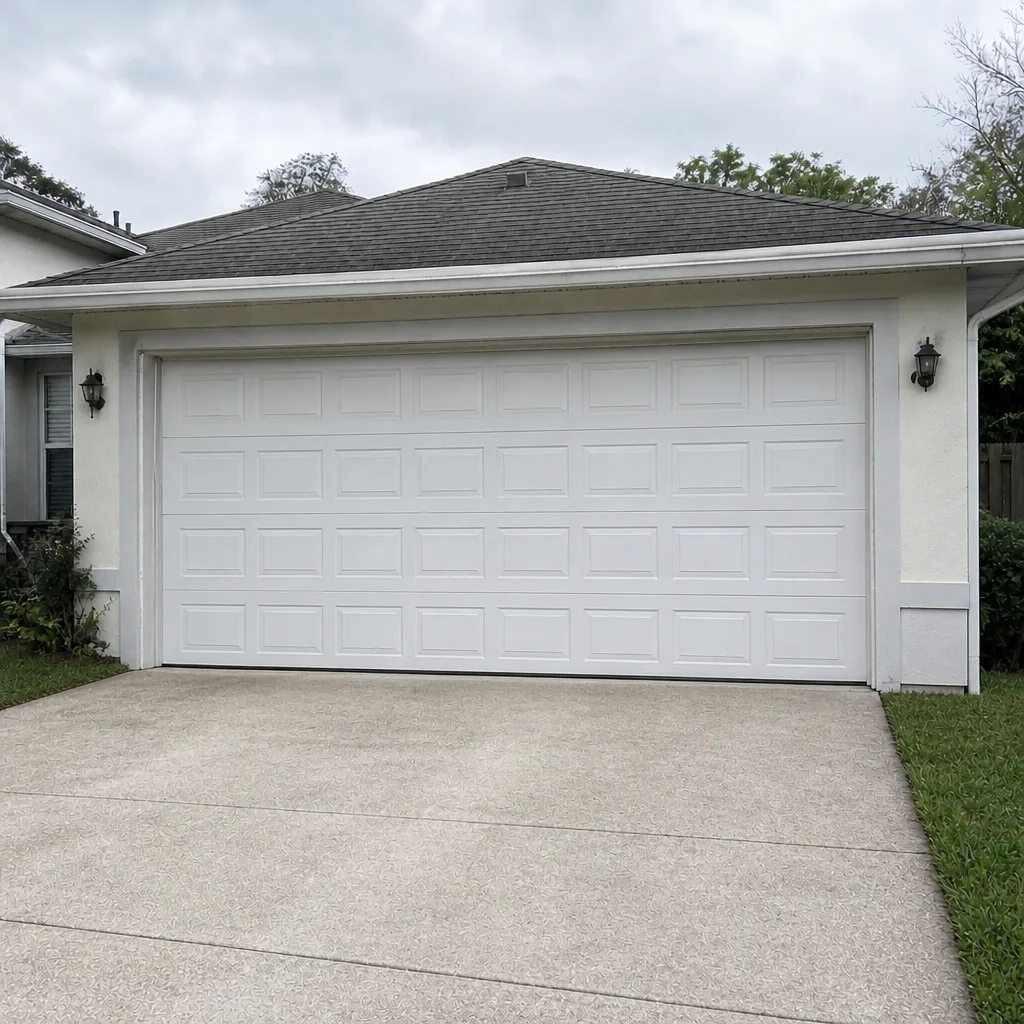 After
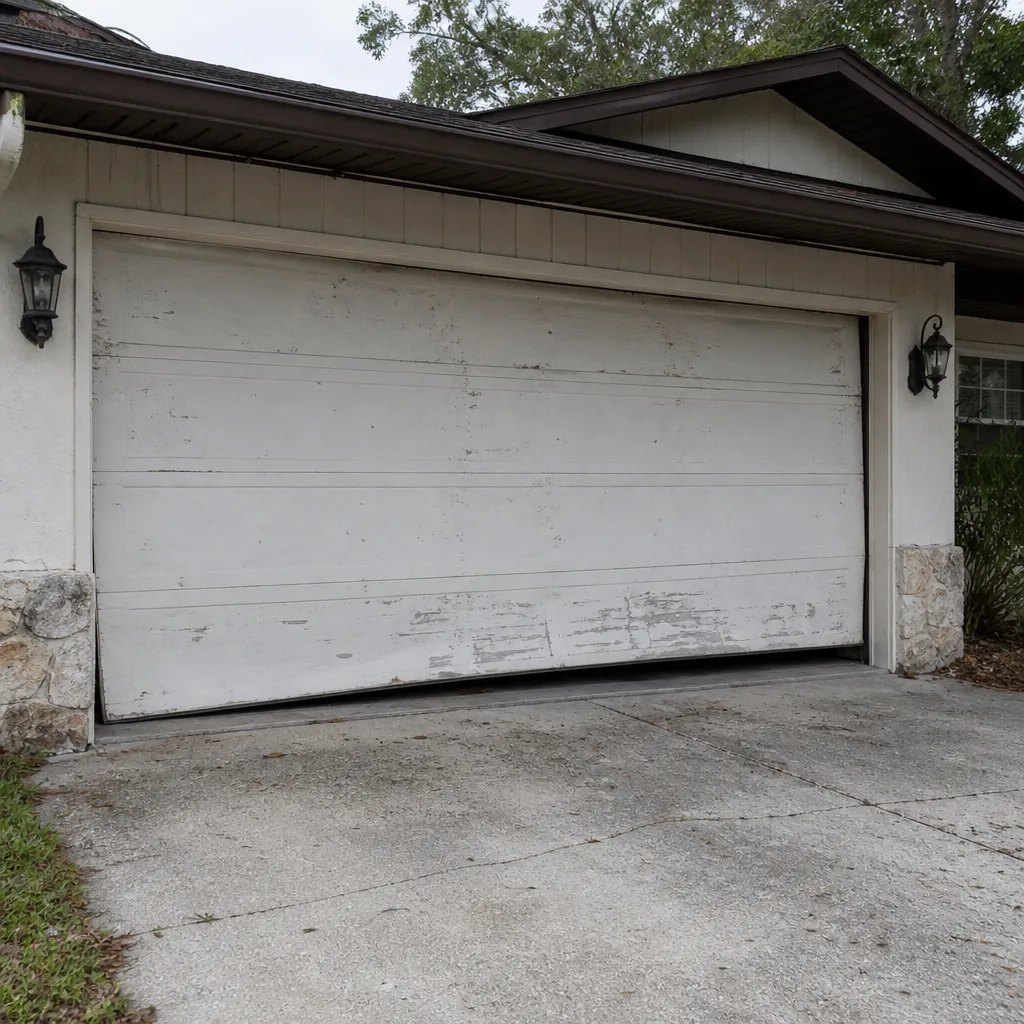 Before
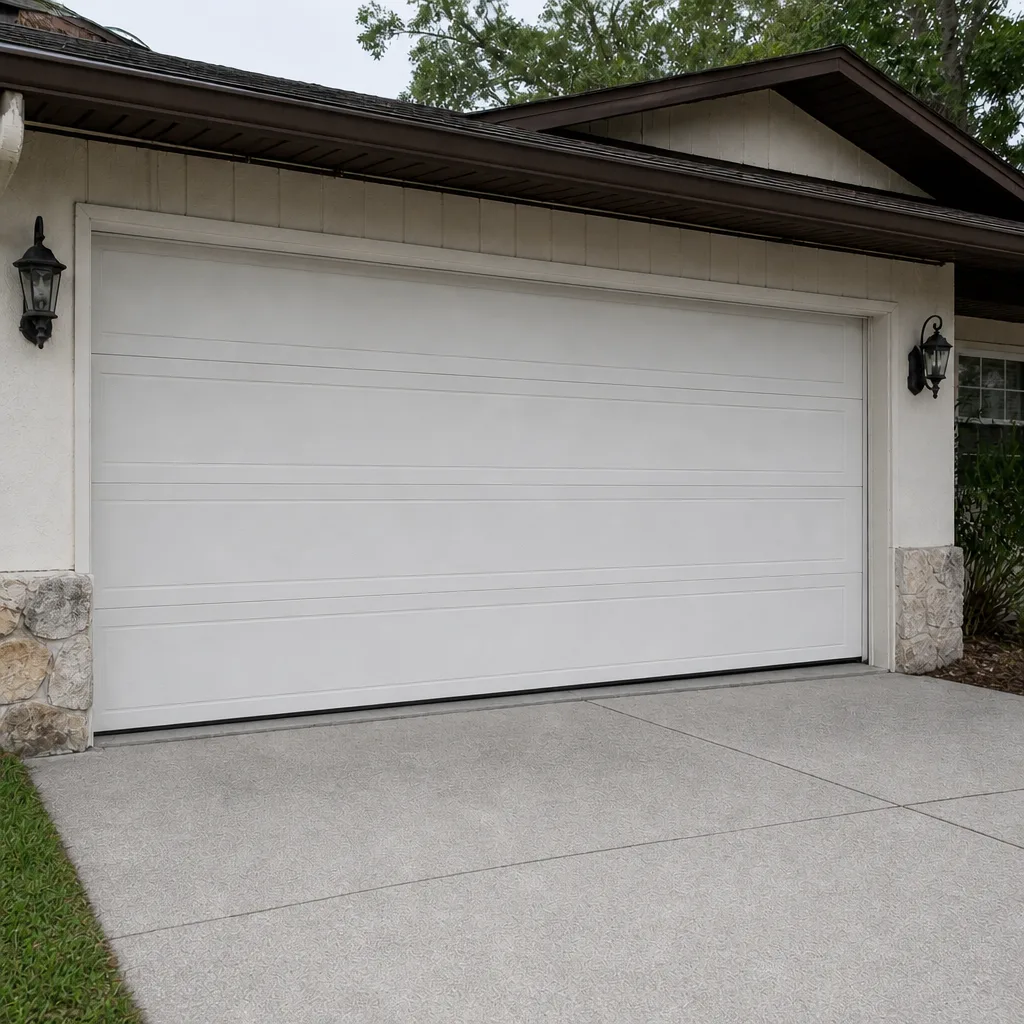 After
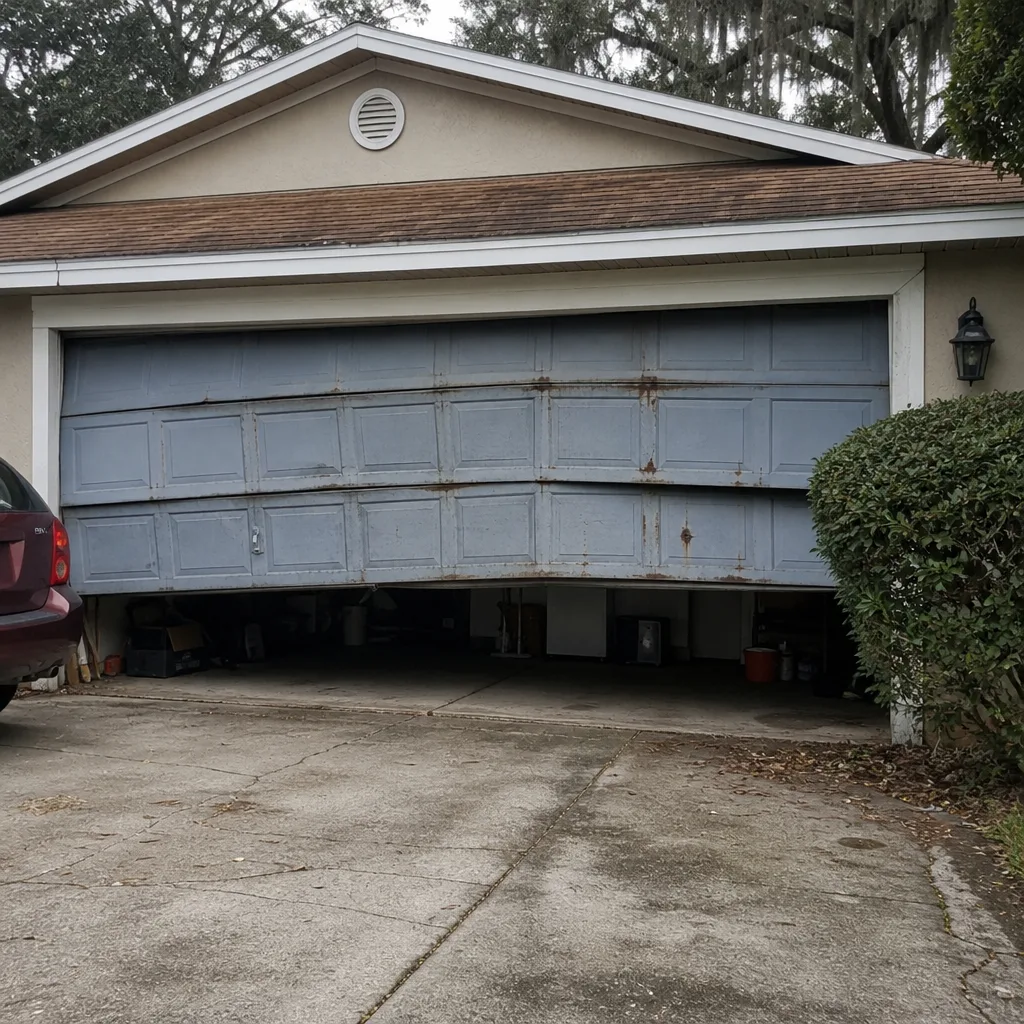 Before
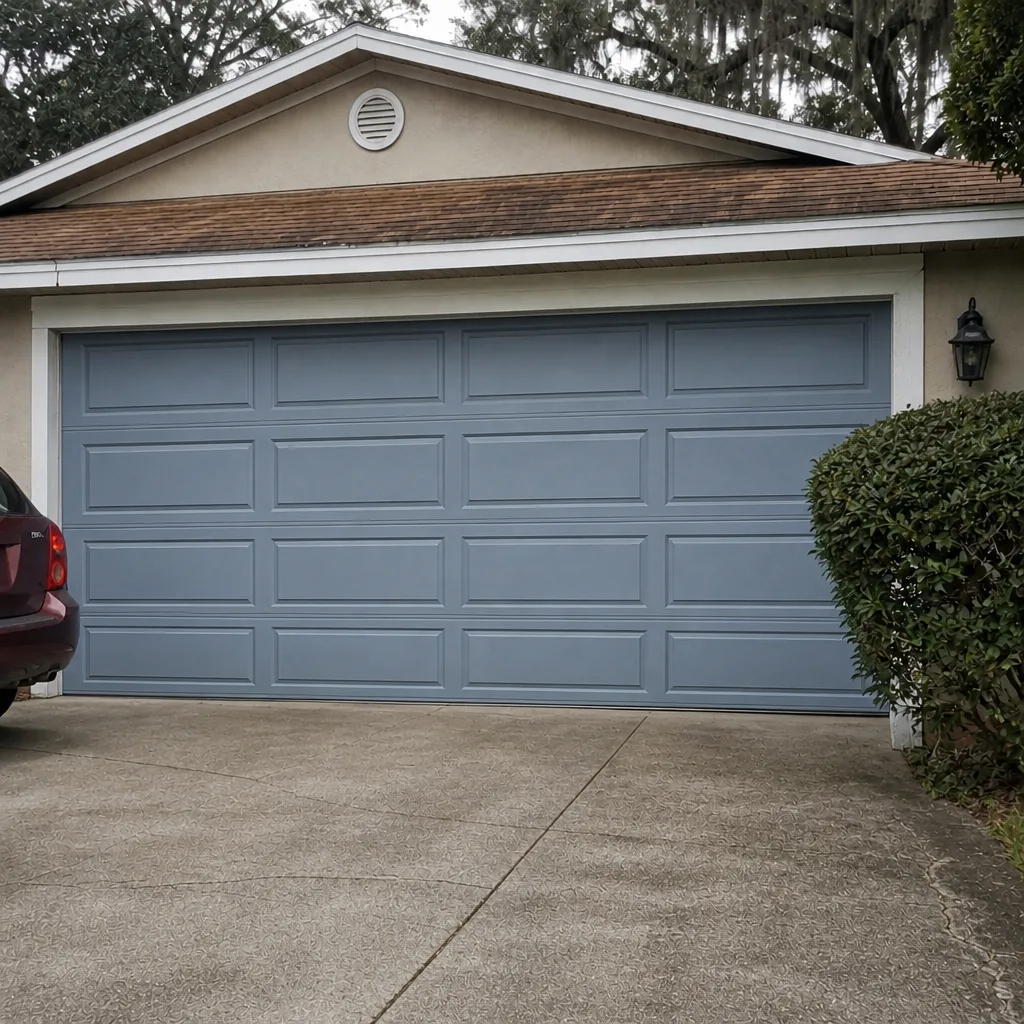 After
When to Call a Professional
Most of this checklist is within reach of a homeowner with a hose, a rag, and a can of silicone spray. A few things are not. Call a professional if you see a visible fracture in the spring, if the door is off its track, if a cable is frayed or loose, if the door won’t stay up when you lift it by hand, if the opener runs but the door doesn’t move, or if the safety reverse has failed. Any of those is beyond a maintenance fix, and some are a safety hazard that needs same-day attention. A door stuck open is a security problem, and a door off-track is a door that could fall.
Palm Harbor Garage Door Repair Co offers free estimates in Palm Harbor. We answer 24/7 and dispatch Sunday through Friday, 7am to 7pm. Whether it’s the door, the opener, or both, we diagnose the whole system in one visit. Call (888) 891-5643.
Frequently Asked Questions
Monthly basic checks and a quarterly deep inspection, plus an annual professional service. The monthly routine is about ten minutes and covers rinsing, sensor testing, and a visual walk-around. The quarterly check adds lubrication with the right product type. The annual inspection handles spring tension, cables, and structural anchor torque.
Humidity accelerates surface oxidation on bare spring steel, and oxidation weakens the coil over time. Cycles also matter: a door used as the main entry point wears its spring faster than a door used for car storage only. The combination means springs in Palm Harbor often fail on a faster clock than a national maintenance guide assumes.
A silicone-based spray or white lithium grease. Avoid heavy motor oil and avoid using WD-40 as a primary lubricant. Wet, tacky products trap grit and turn into an abrasive paste inside hinges and roller bearings, which does more damage than dryness would. Apply sparingly to hinge pins, roller stems, and the spring coil.
Yes, with a gentle spray and no soap needed most months. Rinse the hinges, roller stems, and track, then dry the hinge barrels with a rag. Avoid spraying directly into the opener housing or the electrical components. The rinse removes the airborne grit that starts oxidation on steel springs and hinges.
You can test door balance safely by disconnecting the opener, lifting the door to waist height, and letting go. A balanced door stays put. Anything involving actual spring tension adjustment, or any visible fracture in the spring, needs a trained technician. Springs store dangerous amounts of energy and should not be adjusted by a homeowner.
About ten minutes for the basic routine: rinse, walk-around, sensor test, and manual release check. The quarterly deep check is about thirty minutes. The pre-hurricane and post-summer checklists are about four hours each, twice a year. If you’re doing the ten-minute version monthly, you’ll catch most problems before they turn into repairs.
Call us. A door stuck open is a security and safety risk, and it’s treated as an urgent call. We answer 24/7. Fast dispatch from 7am to 7pm, Sunday through Friday. We’ll diagnose whether it’s the spring, the opener, or a track issue before we arrive so the right tools and parts come with the technician.
The Bottom Line
Garage door maintenance in Palm Harbor is not a generic checklist copied from a national site. It’s a rinse-first, inspect-second, lubricate-last routine built around the humidity, sun, and daily cycles that actually wear these doors out. Ten minutes a month, thirty minutes a quarter, two seasonal weekends a year, and one annual professional inspection is enough to catch most failures before they become repairs. The dangerous parts (springs, cables, and off-track doors) belong to a trained technician, and everything else belongs on your calendar. Get the free estimate, get the written price, and get a real fix. Call (888) 891-5643. We answer 24/7. Fast dispatch from 7am to 7pm, Sunday through Friday.
Written by the team at Palm Harbor Garage Door Repair Co.